664-332 a.C / 664-332 b.C
Egipto / Egypt.
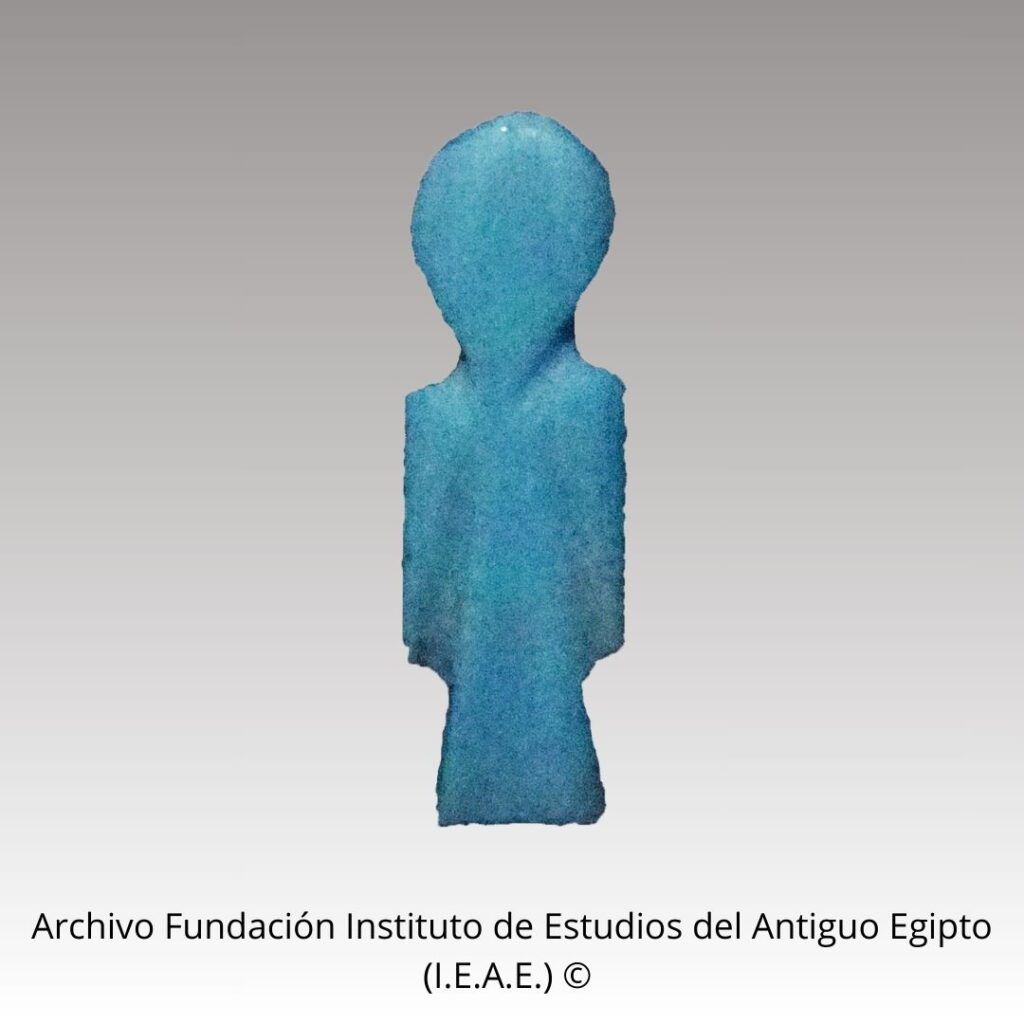
El amuleto Tit  o nudo de Isis y también conocido como cinturón de Isis, es un amuleto asociado a la diosa Isis y su poder es protector, curativo y de regeneración. El nudo de Isis se usaba como amuleto para proteger, especialmente a las mujeres embarazadas, y para promover la curación.
Se asocia con la resurrección y la vida después de la muerte, al igual que con la renovación de la vida
El símbolo se vinculó también a la diosa Neftis, debido a su relación con los funerales y la resurrección. Desde el Tercer Periodo Intermedio se representaba a menudo en estatuas colgando de una cordón.
Es mencionado en el capítulo 156 del Libro de los Muertos con un sentido de protección:
- «Posee su sangre, Isis, posee su poder, Isis, posee su magia, Isis. El amuleto es una protección para este Único Gran Ser, que llevará fuera a cualquiera que pudiera realizar un acto contra él.»
En todos estos casos parece representar ideas de resurrección y vida eterna. El amuleto se ataba al cuello del difunto o se colocaba sobre el pecho de las momias.
The Tit amulet or knot of Isis, also known as the Isis belt, is an amulet associated with the goddess Isis, and its power is protective, healing, and regenerative. The Isis Knot was worn as an amulet to protect, especially pregnant women, and to promote healing.
It is associated with resurrection and life after death, as well as with the renewal of life.
The symbol was also linked to the goddess Nephthys, due to her connection with funerals and resurrection. From the Third Intermediate Period onward, it was often depicted in statues hanging from a cord.
It is mentioned in chapter 156 of the Book of the Dead with a protective meaning:
- «Hold her blood, Isis, hold her power, Isis, hold her magic, Isis. The amulet is a protection for this One Great Being, who will drive out anyone who might commit an act against him.»
In all these cases, it seems to represent ideas of resurrection and eternal life. The amulet was tied around the neck of the deceased or placed on the chest of mummies.